Blog
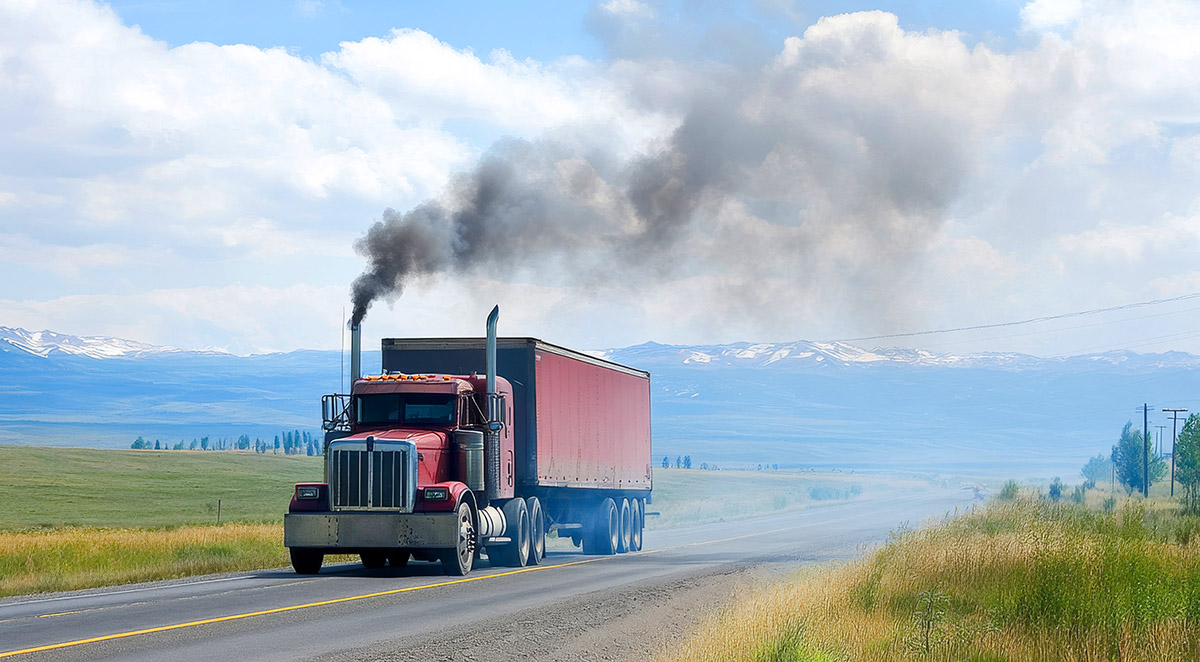
Modern diesel trucks are marvels of engineering, but their emissions systems rank among the most misunderstood sources of unexpected breakdowns. A warning light flickering on your dash doesn't necessarily signal catastrophic failure, but understanding what it means and how quickly to act can be the difference between a quick roadside forced regen and a full engine derate on a mountain grade with a load aboard.
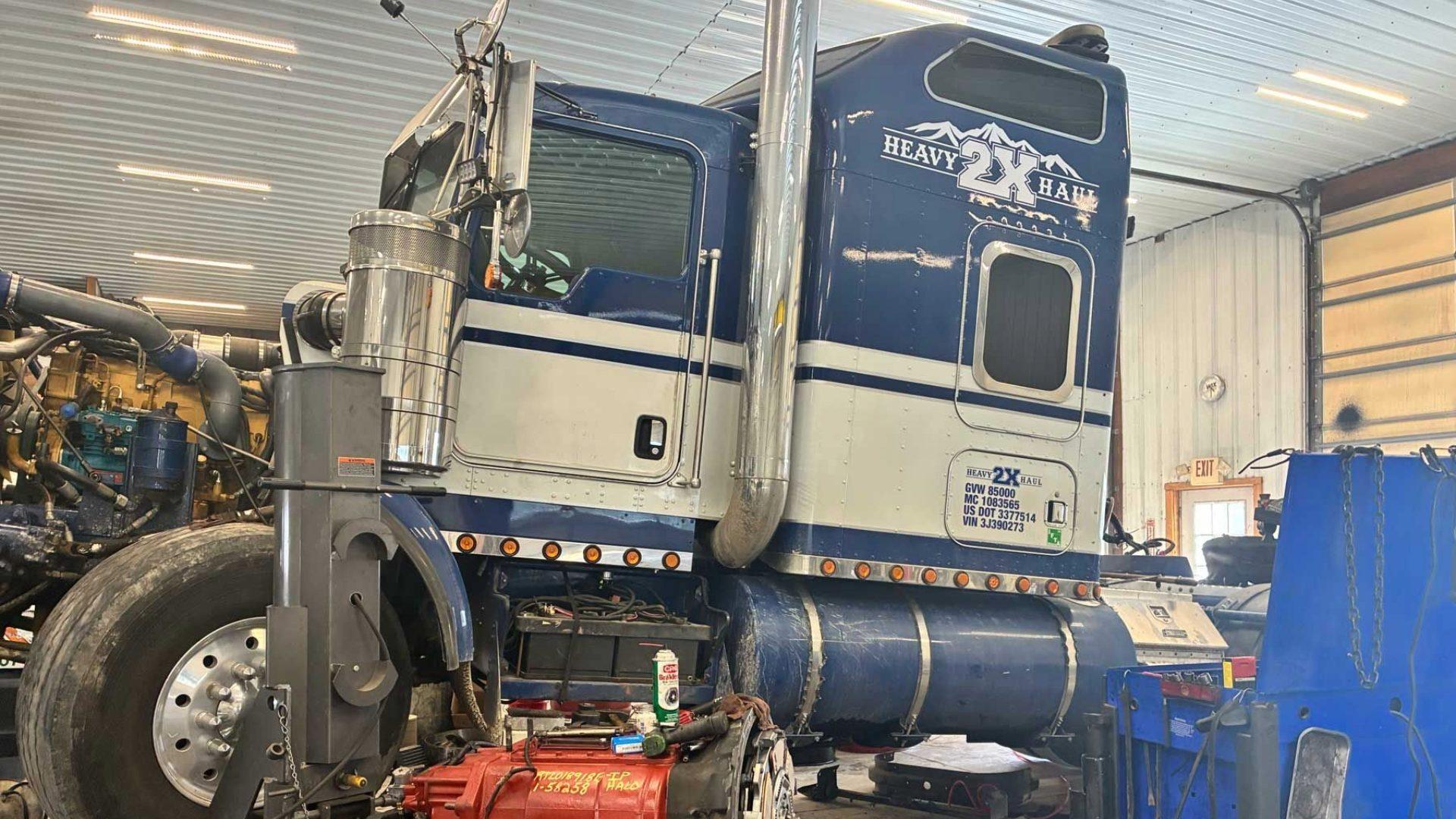
When your commercial truck breaks down on I-77, the visible repair costs are just the beginning. The true financial impact extends far beyond parts and labor to include lost revenue, cargo delays, driver time, alternative transportation, and operational disruptions that can cost thousands of dollars per breakdown. Understanding these comprehensive costs helps fleet managers make informed decisions about emergency repair services, preventive maintenance investments, and breakdown response strategies.
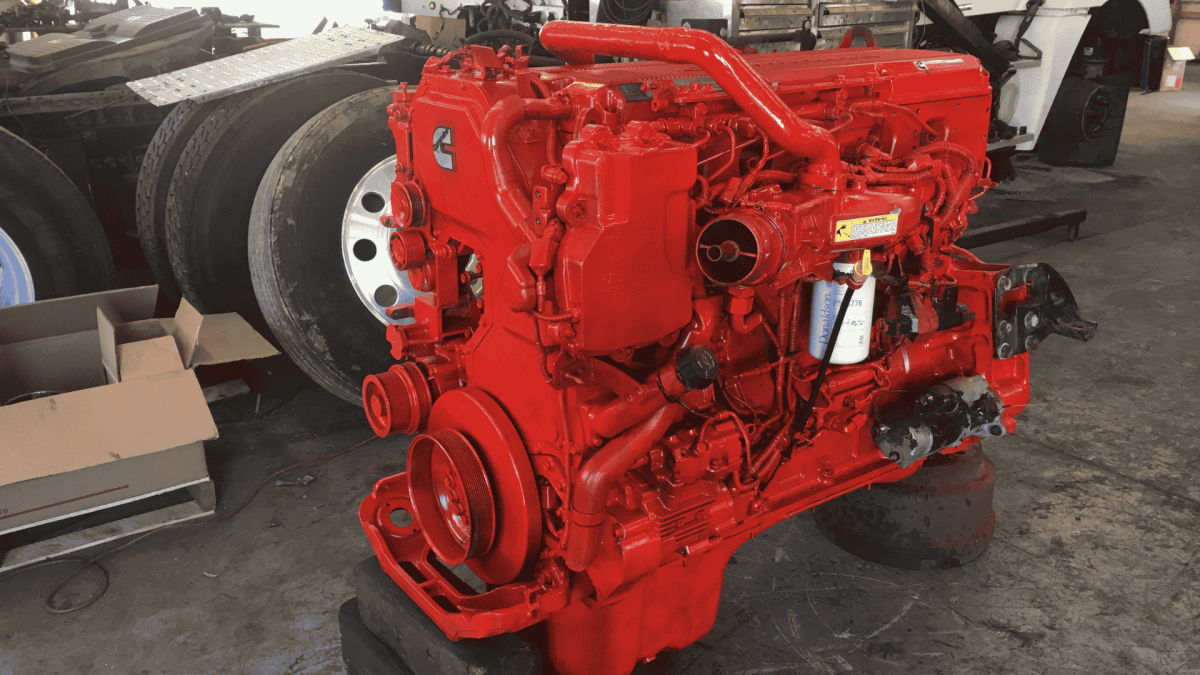
If you run freight along I-77, the Blue Ridge Mountain section is unlike anything else on your route. The northbound climb into Fancy Gap, Virginia rises from roughly 1,100 feet near Statesville to over 2,800 feet at the state line. That kind of sustained elevation gain pushes every major engine system hard, all at the same time.
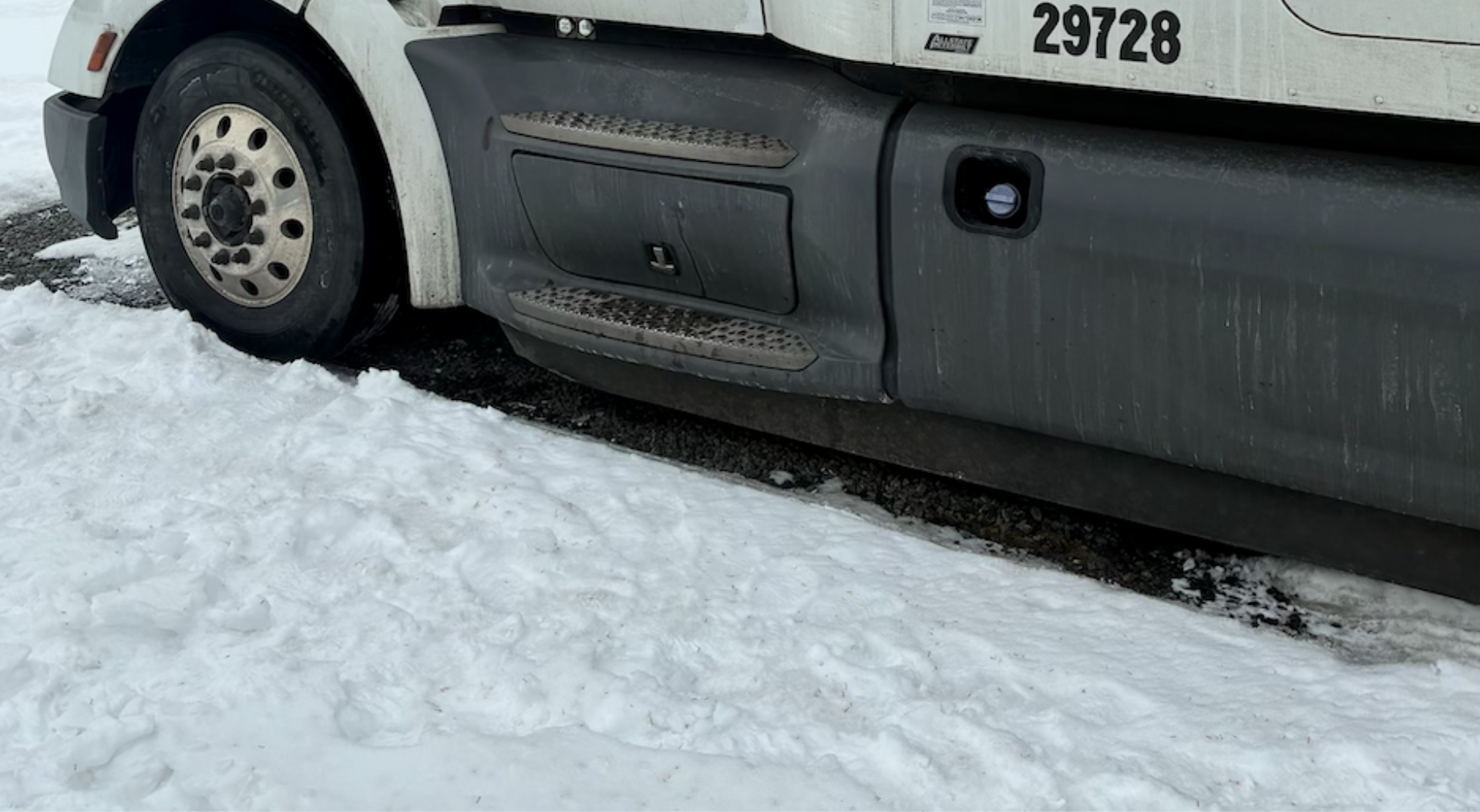
Winter driving on I-77 through North Carolina's Blue Ridge Mountains presents unique challenges that can quickly turn routine freight movement into dangerous situations. When snow and ice combine with steep grades, tight curves, and elevation changes exceeding 2,000 feet, even experienced drivers face conditions that demand specialized knowledge and preparation.