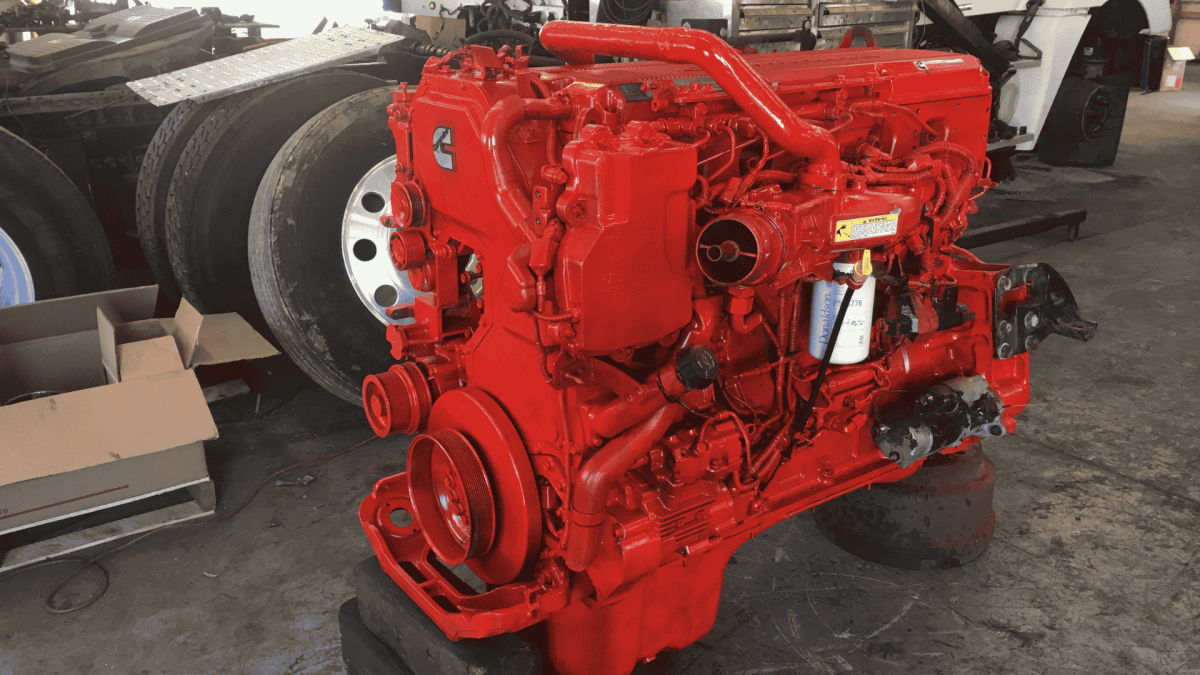
If you run freight along I-77, the Blue Ridge Mountain section is unlike anything else on your route. The northbound climb into Fancy Gap, Virginia rises from roughly 1,100 feet near Statesville to over 2,800 feet at the state line. That kind of sustained elevation gain pushes every major engine system hard, all at the same time.
At Reid Diesel Enterprises, located at I-77 Exit 270 in North Wilkesboro, NC, our technicians respond to mountain-related engine failures along this corridor year-round. We see the same causes repeat themselves, and most of them are preventable with the right information before you hit the grade.
Quick Summary
- Sustained mountain grades stress cooling, turbo, DPF, and drivetrain systems simultaneously.
- Overheating often begins long before the temperature gauge shows it.
- DPF regeneration is frequently disrupted by mountain driving conditions.
- Turbocharger damage from hot shutdowns is common after long climbs.
- A focused pre-trip inspection catches most failure-prone issues before they strand you.
- Reid Diesel provides 35 to 45-minute emergency response to the Fancy Gap and Virginia border area.
Why Mountain Grades Are Hard on Diesel Engines
Flat highway driving is the most forgiving environment for a diesel engine. You reach cruising speed, load stabilizes, and everything settles into a rhythm. A 6 to 7% sustained grade breaks that rhythm completely.
On a long climb, throttle demand increases, fuel consumption spikes, and heat builds fast. At the same time, slower speeds reduce airflow through the radiator, cutting the cooling system's ability to shed that heat right when the engine needs it most. Coming down the other side creates a different set of problems: brake systems absorb enormous energy on long descents, and abrupt load changes can interrupt emissions cycles that were running during the climb.
Seasonal factors add more complexity. Summer heat shrinks cooling margins at elevation. Winter brings frozen DEF fluid, air line moisture, and cold-start risks on loaded trucks heading into a mountain run.
Common Causes of Engine Failure on I-77 Grades
1. Cooling System Failure and Overheating
Overheating is the most common engine failure trigger on mountain grades, and it rarely arrives suddenly. A normal diesel engine runs between 190 and 220 degrees Fahrenheit. Heavy haulers on mountain grades can reach 230 degrees, but sustained heat above 220 is cause for concern. Once oil temperatures hit 240 degrees, oil begins to break down, threatening the high-pressure oil pump and fuel injectors (Bostech Auto, 2024).
Watch for these signs before the gauge redlines:
- Temperature gauge climbing steadily during the grade
- Faint sweet smell inside the cab
- Visible steam from the engine compartment
- Loss of cab heat, which signals low coolant
- Reduced engine power as the ECM begins protecting the engine
Cooling system components degrade with age. After five to seven years, hoses crack, thermostats stick, and water pump vanes erode. If your truck has high miles and deferred cooling maintenance, the Fancy Gap section is not where you want to discover that.
2. Turbocharger Stress and Failure
Turbos spin up to 200,000 RPM and rely on engine oil for both lubrication and cooling. On a sustained climb, oil temperatures rise throughout the engine, reducing the oil's ability to protect those spinning components.
One of the most damaging habits is shutting down immediately after a hard climb. The turbine housing stays extremely hot after the engine stops, but oil circulation stops with it. Without that cooling flow, residual heat bakes the oil in the turbo bearings, a process called coking, which leads to premature failure.
After a mountain run, idle the engine for three to five minutes before shutdown. Watch for blue smoke at startup, a high-pitched whine from the engine bay, or power loss on the grade. These are early signs of a turbo under stress.
3. DPF Regeneration Conflicts
Modern emissions systems need sustained highway driving to complete passive regeneration, the automatic process that burns soot from the diesel particulate filter. Mountain conditions can disrupt that process at the worst possible time.
Passive regen occurs naturally when exhaust temperatures reach 650 to 750 degrees Fahrenheit during steady highway driving. Active regen kicks in when the ECM detects high soot accumulation and raises exhaust temperatures above 1,000 degrees. When grade conditions, load weight, and speed interact outside those windows, the system may initiate a forced regen that requires the truck to stop.
Fleets with proactive DPF maintenance protocols see 40 to 60 percent fewer aftertreatment-related roadside breakdowns than those running reactively (Heavy Duty Journal, 2026). If your DPF warning light is flashing at the base of Fancy Gap, complete the regen before attempting the climb.
Reid Diesel's Specialized Services include mobile DPF diagnostics and forced regeneration. If you are stranded on I-77 with an emissions-related shutdown, we can come to you.
4. Oil Pressure and Lubrication Issues
Sustained heat reduces oil viscosity, meaning thinner oil provides less film protection between moving parts. The grade angle itself can affect oil distribution in the pan on some engine configurations, particularly under high RPM and heavy load.
Warning sounds matter here. Loud clanking or knocking from the engine while running on a grade can indicate a bearing under extreme stress. Continued operation risks complete engine failure. Monitor oil pressure on the grade alongside coolant temperature for the earliest possible warning.
5. Fuel System Strain
A loaded Class 8 truck at maximum throttle on a 7% grade places peak demand on injectors and fuel pumps. Clogged or worn injectors force the engine to work harder, which accelerates heat buildup and contributes to overheating. If fuel economy has been declining in the weeks before a mountain run, have your injectors checked first.
Older trucks are also more prone to air entering the fuel system through worn lines and fittings under sustained high demand. Even minor air intrusion can cause rough running or power loss on the grade.
6. Transmission and Drivetrain Overload
Gear selection is one of the most consequential decisions a driver makes on a mountain grade. Waiting too long to downshift forces the transmission to handle torque loads it was not designed to carry at higher gear ratios, and clutch plates and transmission fluid pay the price.
For the Fancy Gap grade:
- Begin downshifting early, before the grade forces the issue
- Select a gear that keeps engine RPM in the power band without lugging
- On the descent, use engine braking rather than riding the service brakes
- Monitor your transmission temperature gauge if the truck is equipped with one
Prevention: Before You Hit the Mountain
Pre-Trip Inspection Essentials
A focused pre-trip inspection before the I-77 mountain section takes less than 20 minutes and can prevent a multi-hour roadside delay. Check these systems before you leave:
- Coolant level and condition (discoloration signals contamination)
- Belts and hoses for cracking, swelling, or soft spots
- Oil level and color (milky appearance indicates coolant intrusion)
- DPF soot level and any active warning lights
- Tire pressure, including trailer tires
- Brake adjustment and pad condition
- Transmission fluid level and color
Knowing Your Truck's Limits
High-mileage trucks with deferred maintenance face elevated risk on mountain grades. Age and wear in the cooling system, turbo, and DPF compound quickly under mountain stress. Before this run, take an honest look at your maintenance history. Trucks pushed through PM intervals on flat routes may not have the reserve capacity the Blue Ridge demands.
If Your Engine Fails on I-77's Mountain Grades
If you experience power loss, a temperature spike, or a DPF shutdown on the grade, act quickly and stay calm.
- Get to the shoulder or the nearest runaway truck ramp.
- Activate your four-way flashers and place warning triangles at 10, 100, and 200 feet behind the vehicle.
- Do not attempt to restart a severely overheated engine.
- Note your mile marker, direction of travel, and the nearest exit number.
- Call for help immediately.
Reid Diesel responds to the Fancy Gap and Virginia border section in 35 to 45 minutes. Our mobile units carry diagnostic equipment, common parts, and coolant to handle many mountain-related failures roadside. Visit our Emergency Information page for a full breakdown guide, or call us directly at (336) 468-2323.
Frequently Asked Questions
What is the most dangerous stretch of I-77 for engine failures?
The Fancy Gap section between mile markers 0 and 8 near the Virginia border sees the highest concentration of mountain-related failures. The grade averages 6 to 7% over several miles with significant elevation gain in a short distance. Brake failures on the descent and overheating on the climb are both common here, and service options in the immediate area are very limited.
How do I know if my truck is overheating before the gauge redlines?
Watch for gradual upward creep in the coolant temperature gauge during the climb, a faint sweet smell in the cab, any reduction in engine power, or loss of cab heat. These signs typically appear well before the gauge enters the danger zone. Do not wait for the red zone to take action. Pull over, shut down, and let the engine cool before assessing the situation.
Can a DPF issue cause a breakdown on a mountain grade?
Yes. If DPF soot loading is already high when you begin the climb, the system may initiate a forced regeneration that requires you to stop and idle. In more severe cases, the ECM will derate the engine or prevent restart entirely to protect the aftertreatment system. When the DPF reaches critical overfill, a forced regen will not resolve it and the filter must be removed and professionally cleaned.
What should I do if my truck loses power climbing Fancy Gap?
Start looking immediately for a safe place to pull off. Power loss on a grade can signal a DPF derate, a turbo issue, or the beginning of an overheating event. Do not push through hoping the power returns. Get to the shoulder, note your warning lights, and call Reid Diesel at (336) 468-2323. We can talk you through next steps and dispatch a technician to your location.
How far is Reid Diesel from the Fancy Gap mountain section?
Our shop at 967 Chambers Rd, North Wilkesboro, NC sits at I-77 Exit 270, approximately 35 to 45 minutes from the Fancy Gap grade. Mobile units are dispatched directly to your breakdown location. See our full I-77 Corridor service area page for response times by location.
Conclusion
The I-77 mountain corridor carries thousands of loads every week, and preparation is not optional here. The causes of mountain-related engine failures are well understood, and most are preventable with focused pre-trip maintenance and smart driving habits on the grade.
When something does go wrong, having a trusted resource close by makes all the difference. The team at Reid Diesel Enterprises knows this corridor well and responds fast. Contact us any time at (336) 468-2323 for emergency assistance, preventive service scheduling, or questions before your next mountain run.