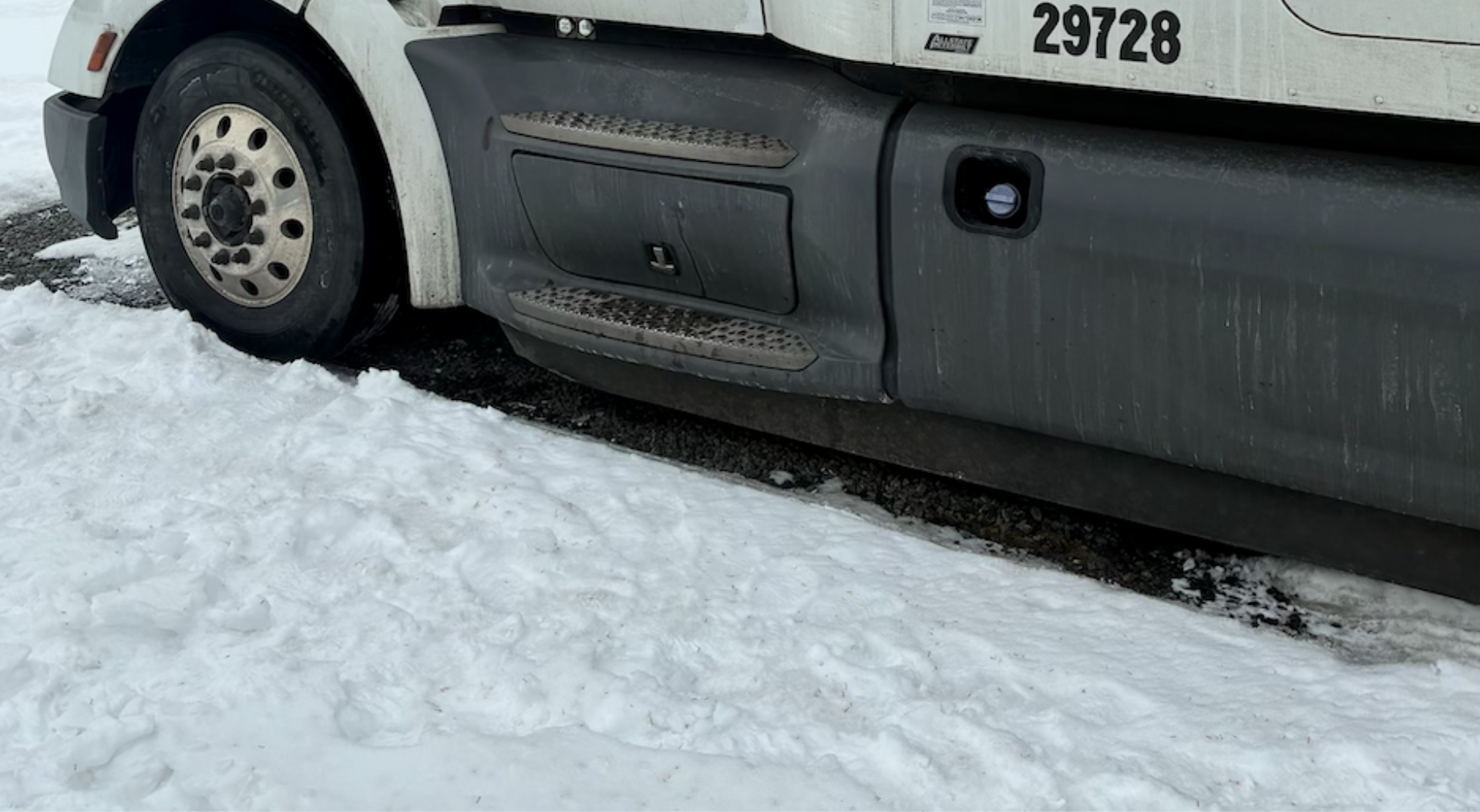
Winter driving on I-77 through North Carolina's Blue Ridge Mountains presents unique challenges that can quickly turn routine freight movement into dangerous situations. When snow and ice combine with steep grades, tight curves, and elevation changes exceeding 2,000 feet, even experienced drivers face conditions that demand specialized knowledge and preparation.
This comprehensive guide provides mile-by-mile safety information for winter commercial truck operation on I-77, from pre-trip preparation through specific techniques for navigating each challenging section. Whether you're a seasoned mountain driver or new to winter corridor operation, understanding these conditions can prevent breakdowns, accidents, and dangerous situations that put both drivers and cargo at risk.
Reid Diesel's technicians have over 15 years of experience responding to winter emergencies along this corridor. We've seen every type of winter breakdown and weather-related failure, giving us unique insight into the preventive measures and driving techniques that keep trucks moving safely through mountain winter conditions.
1. Pre-Trip Winter Preparation Essentials
Successful winter mountain driving begins before you leave the truck stop. Proper preparation can prevent most winter-related problems and ensure you have the resources needed if emergency situations arise despite your best efforts.
Vehicle System Checks
Winter mountain driving places extreme demands on truck systems that operate normally in moderate conditions. Thorough pre-trip inspection becomes critical for identifying potential problems before they cause dangerous failures:
Engine and Cooling System Inspection:
- Antifreeze concentration testing - ensure protection to at least -20°F
- Coolant level verification - low coolant leads to rapid freezing and engine damage
- Belt and hose inspection - cold weather makes rubber components brittle
- Block heater operation - test before you need it in sub-zero conditions
- Thermostat operation - verify proper engine temperature control
Fuel System Winter Readiness:
- Fuel tank levels - keep tanks as full as possible to prevent condensation
- Fuel additives - add anti-gel treatment before temperatures drop
- Fuel filter condition - replace if overdue, gelling clogs filters first
- Water separator inspection - drain any accumulated moisture
- DEF system check - ensure DEF won't freeze (crystallizes at 12°F)
Electrical System Assessment:
- Battery testing - cold weather reduces capacity by 30-50%
- Charging system verification - alternator must handle increased electrical loads
- Light operation - visibility crucial in winter weather
- Connection cleaning - corrosion increases resistance in cold conditions
Emergency Equipment and Supplies
Mountain winter driving requires emergency supplies that can mean the difference between inconvenience and life-threatening situations:
Essential Emergency Kit:
- Emergency food and water for 24-48 hours minimum
- Extra warm clothing and blankets - assume heating system failure
- Flashlights with extra batteries - LED types work better in cold
- Cell phone chargers - car chargers and portable battery packs
- First aid supplies including cold weather injury treatment
- Emergency communication devices - satellite messengers for dead zones
Vehicle Emergency Equipment:
- Tire chains - proper size and type for your specific tires
- Chain installation tools - practice installation before you need them
- Ice scrapers and snow brushes - keep windshield and lights clear
- Sand or cat litter - traction aids for slippery conditions
- Emergency triangles - extra visibility in snow conditions
- Tow strap - help other drivers and get help when needed
2. Mile-by-Mile Winter Driving Guide
Each section of I-77 through the mountains presents specific winter challenges that require different techniques and awareness. Understanding these variations helps you prepare for changing conditions and recognize when additional caution is necessary.
Virginia Border to Mile Marker 20 (Fancy Gap Section)
This section represents the most challenging winter driving conditions on the entire I-77 corridor. The combination of elevation, sustained grades, and weather exposure creates conditions where problems develop rapidly and can become life-threatening.
Mile Markers 0-8: The Infamous Winter Grade
The Fancy Gap grade becomes treacherous in winter conditions, with 7% sustained climbs that challenge traction, engine performance, and driver skill simultaneously.
Winter-Specific Hazards:
- Ice formation on grades - invisible black ice common on downhill sections
- Wind exposure - crosswinds can destabilize high-profile loads
- Rapid weather changes - conditions can deteriorate in minutes
- Limited visibility - blowing snow and fog common at elevation
- Temperature variations - can drop 20°F from valley to peak
Safe Driving Techniques:
- Reduce speed before entering grade - don't wait until you're climbing
- Maintain steady throttle - avoid wheel spin that reduces traction
- Use engine braking extensively - preserve air brakes for emergencies
- Increase following distance - allow extra stopping room on grades
- Monitor engine temperature - climbing in snow increases cooling demands
Emergency Procedures: If you lose traction or experience equipment problems on the grade, immediate action prevents dangerous situations. Don't continue climbing if you're having traction problems - you'll lose control on the steeper sections ahead. Instead, find the nearest safe pullout and assess conditions before continuing.
Mile Markers 8-15: Hillsville Transition Zone
This transition area often deceives drivers into thinking the worst is over, but winter conditions here can be just as challenging as the main grade.
Unique Winter Challenges:
- Temperature inversions - can be warmer in valleys, colder on ridges
- Patchy ice conditions - sunny areas may be clear while shaded areas remain icy
- Wind tunneling effects - terrain channels wind creating dangerous gusts
- Elevation changes - continued climbing even though grade appears to level
Navigation Strategies:
- Maintain winter driving speeds - don't accelerate too quickly as terrain improves
- Watch for ice patches - particularly in shaded areas and under overpasses
- Monitor weather conditions - be prepared for rapid changes
- Check equipment status - ensure no damage from grade climbing
Mile Markers 15-20: Critical Decision Zone
As terrain begins leveling, this section becomes a critical decision point for continuing north versus seeking shelter or alternative routes during severe weather.
Decision Factors:
- Weather forecast monitoring - conditions ahead may be worse than current location
- Equipment performance assessment - problems developed during climbing may worsen
- Driver fatigue evaluation - mountain winter driving is mentally and physically exhausting
- Time of day considerations - avoid driving in darkness during severe weather
Mile Markers 20-50 (Northern NC Rural Section)
While terrain challenges decrease in this section, winter weather creates different types of hazards that require continued vigilance and modified driving techniques.
Weather Exposure Challenges
The rural nature of this section means longer response times for assistance and fewer safe stopping areas during severe weather events.
Winter Hazard Patterns:
- Wind exposure - open terrain allows unobstructed wind that can destabilize vehicles
- Drifting snow - creates visibility problems and sudden traction loss
- Temperature fluctuations - valley and ridge variations affect road conditions
- Limited services - fewer truck stops and service areas for emergency shelter
Safe Navigation Techniques:
- Reduced speed maintenance - don't increase speed just because grades are easier
- Visibility management - use headlights and maintain clean windshield
- Communication protocols - maintain contact with dispatch and other drivers
- Fuel management - keep tanks full in case you need extended idling for warmth
Emergency Response Considerations
The isolated nature of this section means self-reliance becomes more important during winter emergencies.
Preparation Strategies:
- Extended emergency supplies - plan for longer wait times for assistance
- Communication backup - satellite devices for areas with poor cell coverage
- Vehicle warming procedures - know how to maintain heat efficiently during extended stops
- Route alternatives - understand bypass options if conditions become impassable
Mile Markers 50-85 (Elkin-Jonesville Section)
This strategic midpoint section offers better access to services but still requires winter driving vigilance as rolling terrain continues to challenge vehicle systems.
Terrain and Weather Interaction
Rolling hills create unique winter challenges as trucks gain and lose elevation repeatedly, stressing systems differently than sustained climbs.
Operational Challenges:
- Repeated acceleration and deceleration - uses more fuel and stresses drivetrain
- Visibility variations - hills and curves limit sight distance in precipitation
- Ice accumulation patterns - different from straight grades, collects in valleys
- Equipment stress patterns - brakes and transmission work harder in rolling terrain
Driving Technique Adaptations:
- Anticipatory driving - look ahead to upcoming hills and adjust speed accordingly
- Smooth control inputs - avoid sudden acceleration or braking on hills
- Engine brake utilization - use effectively without over-relying on air brakes
- Traction management - maintain steady power application on rolling grades
Mile Markers 85-100 (Mount Airy Approach)
The approach to Mount Airy represents increasing complexity as traffic volume increases and multiple routes converge, creating winter driving challenges beyond weather alone.
Traffic and Infrastructure Considerations
Higher traffic volume combined with winter weather creates complex situations requiring heightened awareness and defensive driving techniques.
Complexity Factors:
- Increased traffic volume - more vehicles mean more potential problems
- I-74 junction complications - multiple routes converge creating congestion
- Varied driver experience - not all drivers understand mountain winter conditions
- Infrastructure stress - heavy traffic can overwhelm road maintenance capabilities
Enhanced Safety Protocols:
- Increased following distance - allow extra space for inexperienced drivers
- Lane choice strategy - stay in right lane when conditions are challenging
- Emergency equipment accessibility - ensure you can reach safety equipment quickly
- Communication awareness - monitor CB and traffic reports for road conditions ahead
3. Winter Chain Requirements and Usage
North Carolina doesn't mandate tire chains for commercial vehicles, but winter conditions on I-77 often make chains the difference between safe passage and dangerous situations.
Chain Selection and Sizing
Proper chain selection requires understanding your specific tire configuration and the types of conditions you'll encounter:
Chain Type Selection:
- Cable chains - lighter weight, easier installation, adequate for light snow
- Link chains - better traction in deep snow and ice, more durable
- V-bar chains - maximum traction for severe conditions, harder on tires
- Automatic chains - convenient but expensive, not suitable for all conditions
Sizing and Installation:
- Exact tire size matching - chains must fit your specific tire size precisely
- Drive axle prioritization - chain drive axles first, then trailer axles as needed
- Installation practice - learn proper installation before emergency conditions
- Tension adjustment - proper tension prevents damage to tires and vehicle
Chain Installation Procedures
Safe chain installation in winter conditions requires systematic procedures that protect both driver safety and equipment integrity:
Pre-Installation Steps:
- Safe location selection - pull completely off travel lanes with emergency flashers
- Traffic awareness - place warning triangles appropriately for conditions
- Equipment preparation - lay out chains and tools before starting installation
- Personal safety - wear high-visibility clothing and work efficiently
Installation Process:
- Chain positioning - lay chains out straight behind wheels before starting
- Drive-on method - slowly drive onto chains, stop with chains centered under tires
- Fastening sequence - inside connections first, then outside, following manufacturer instructions
- Tension adjustment - drive short distance and retighten as chains seat properly
4. Emergency Procedures for Winter Breakdowns
Winter breakdowns on I-77's mountain sections can quickly become life-threatening situations. Understanding proper emergency procedures can prevent minor problems from becoming major disasters.
Immediate Safety Actions
When your truck breaks down in winter mountain conditions, your safety priorities change significantly from normal breakdown situations:
First Priority Actions:
- Safe location assessment - get as far from traffic as possible while maintaining traction
- Emergency communication - contact dispatch and emergency services immediately
- Visibility establishment - activate all warning devices and lighting systems
- Shelter preparation - prepare for extended wait times in potentially severe conditions
Equipment Conservation:
- Fuel management - balance heating needs with fuel conservation for potential extended periods
- Battery preservation - limit electrical usage to essential systems only
- Emergency supply access - ensure you can reach emergency food, water, and warm clothing
- Communication device charging - maintain ability to communicate with outside help
Professional Emergency Response
When winter conditions combine with mechanical problems, professional assistance becomes essential rather than optional. Reid Diesel's winter emergency services are specifically designed for mountain winter conditions.
When to Call for Professional Help:
- Any engine performance problems - mountain winter conditions quickly worsen mechanical issues
- Electrical system problems - battery and charging system problems become critical in cold weather
- Cooling system issues - antifreeze problems can cause rapid engine damage in freezing conditions
- Fuel system problems - gelling and water contamination require professional treatment
- Brake system concerns - air system problems are extremely dangerous on mountain grades
Emergency Response Coordination: Our emergency roadside repair service maintains specialized winter equipment for mountain conditions, but response times may be extended during severe weather. We coordinate with state highway departments and emergency services to provide the safest possible assistance during winter emergencies.
5. Weather Monitoring and Route Planning
Successful winter mountain driving requires continuous weather monitoring and willingness to adjust routes or timing based on changing conditions.
Weather Information Sources
Reliable weather information becomes critical for safe winter mountain driving:
Official Weather Sources:
- National Weather Service - most accurate forecasts for mountain conditions
- State DOT websites - real-time road condition information
- 511 systems - phone and web-based traffic and weather information
- Commercial weather services - specialized trucking weather forecasts
Real-Time Condition Monitoring:
- CB radio communication - other drivers provide immediate condition reports
- Truck stop information - local knowledge about current and forecast conditions
- Social media groups - trucker-specific weather and condition sharing
- Fleet communication systems - coordinate with other company drivers
Route Alternative Planning
Winter weather may require route alternatives that avoid the most challenging mountain sections:
Alternative Route Options:
- I-77 to I-40 West - longer but avoids steepest mountain sections
- US-421 alternatives - may provide easier grades in some conditions
- Timing alternatives - wait for better conditions rather than push through dangerous weather
- Load considerations - some loads shouldn't travel mountains in severe weather
6. Frequently Asked Questions
What's the best way to handle my truck sliding on ice while climbing a grade?
Don't panic or make sudden steering corrections. Ease off the throttle gradually, don't hit the brakes hard, and steer gently in the direction you want to go. If you're sliding backward, use the engine brake gradually and look for a safe place to stop and assess conditions.
Should I use tire chains on I-77 even if they're not legally required?
Yes, when conditions warrant it. Chains provide significantly better traction and control in snow and ice. It's better to install chains before you need them rather than trying to install them after you're stuck or sliding.
How do I know if it's too dangerous to continue driving in winter weather?
If visibility is severely limited, if you're having repeated traction problems, if other trucks are stopped or having difficulties, or if you're feeling stressed or fatigued from the conditions, find a safe place to stop and wait for conditions to improve.
What should I do if my truck breaks down during a winter storm?
Stay with your vehicle, activate all warning lights, contact emergency services, and conserve fuel while staying warm. Don't attempt to walk for help in severe weather - stay with your truck where you're more visible to rescue personnel.
How often should I check weather conditions during winter mountain driving?
Check conditions before starting your trip, monitor continuously while driving, and get updated forecasts whenever you stop for fuel or breaks. Mountain weather can change rapidly, and conditions ahead may be significantly different from your current location.
For Winter Emergency Services Contact Reid Diesel
For winter truck driving emergencies on I-77's mountain sections, Reid Diesel provides specialized cold weather emergency response with equipment designed for mountain winter conditions.
Phone: (336) 468-2323
Available: 24/7 including severe weather conditions
Location: Reid Diesel Enterprises, 967 Chambers Rd, North Wilkesboro, NC 28659